Research work is paramount for our community, and it helps us to promote the Deaf Centre’s mission of advocacy, education and social inclusion. Engaging with the Deaf and Hearing members allows for the representation of their voices and to address their unique challenges. For over two years, Newcastle Deaf Centre’s projects have shown measurable success in improving awareness and understanding of Deaf culture among hearing individuals, leading to better integration and improved access to education, employment and healthcare.
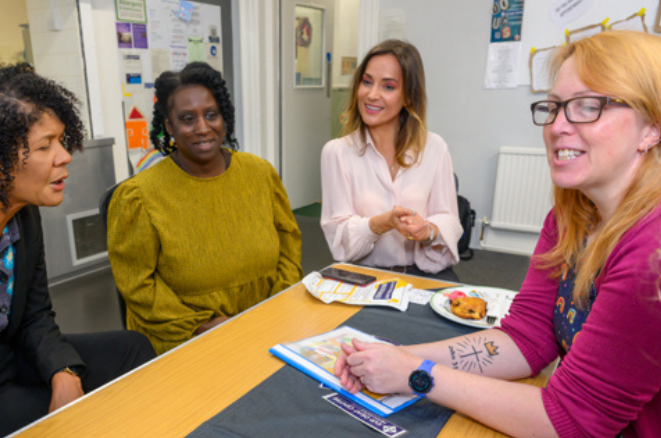
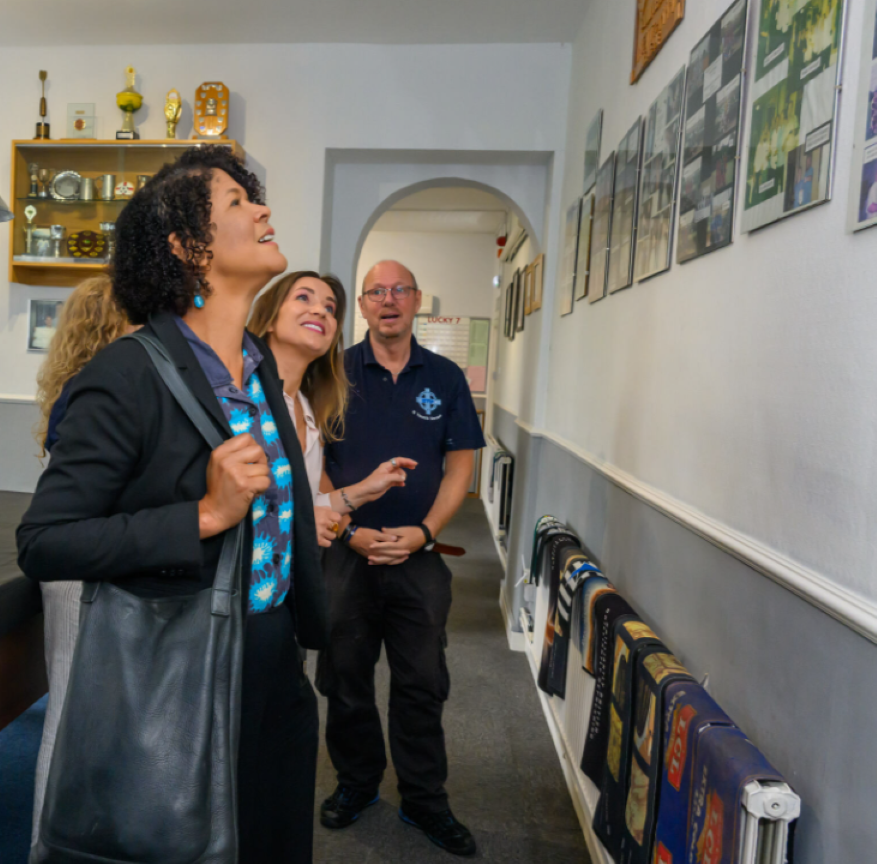
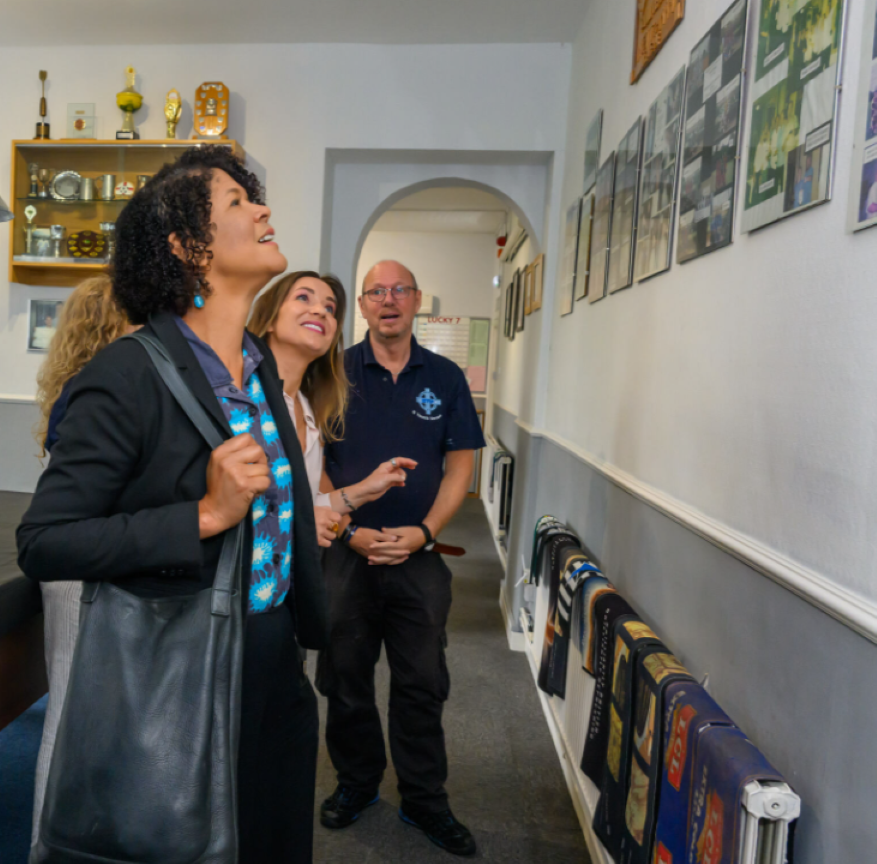
In collaboration with Newcastle University, University of Glasgow and Manchester University we worked on a meaningful art project that resulted in Art Exhibition about the Impact of Universal Credit on Mental Health. At the end of the six months of creative workshops involving eight remarkable participants, the study set out the research model that we follow to this day. The project won an academic recognition of Newcastle University and was awarded the Empowerment and Place Prize for the engagement with the community. It also caught an interest of the local MP Chi Onwurah, who visited the Centre and learned about our work. Since then Chi is a regular visitor and closely follows NDC’s progress. To find out more about the project follow: www.ucreatives.co.uk
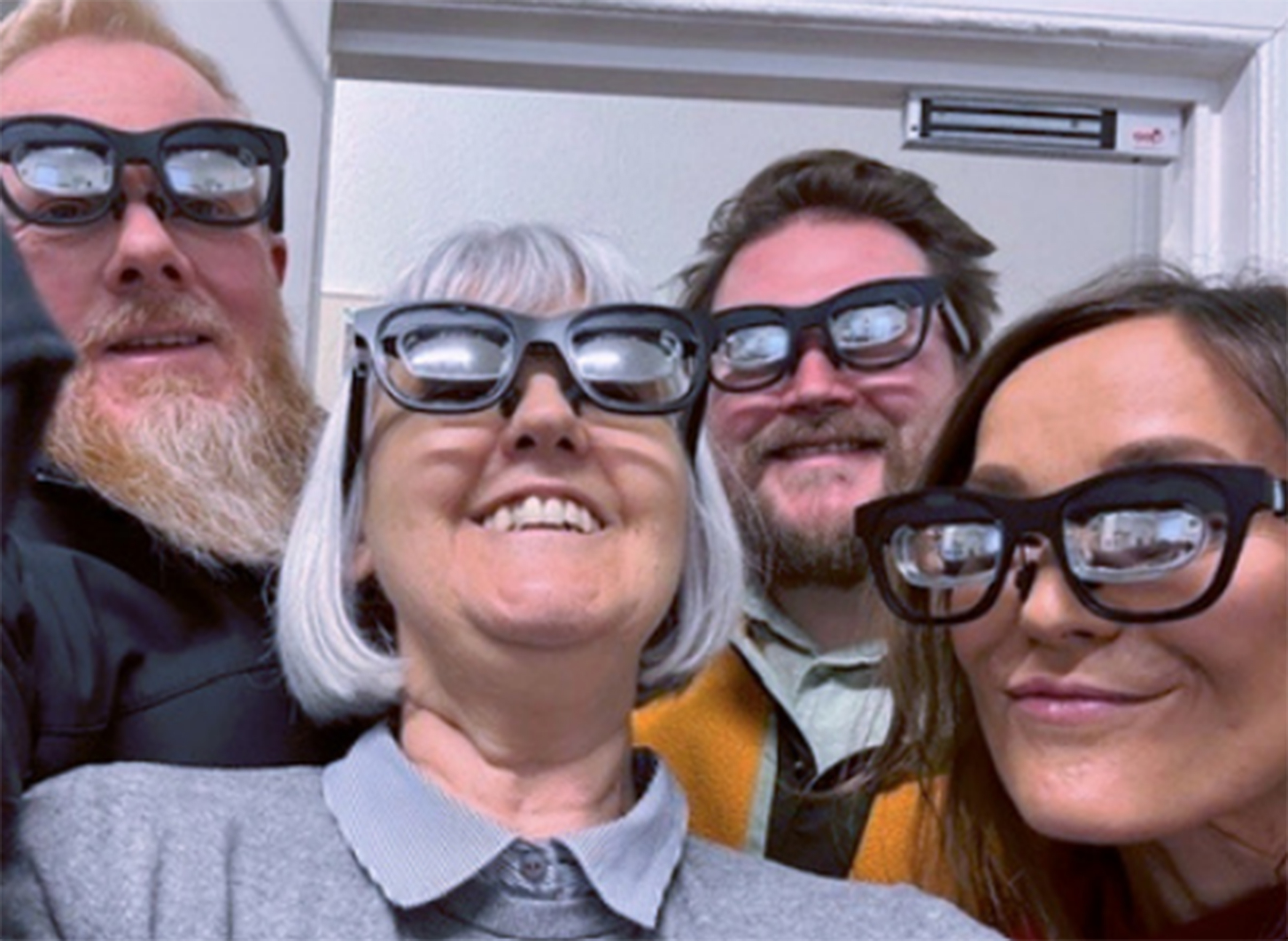
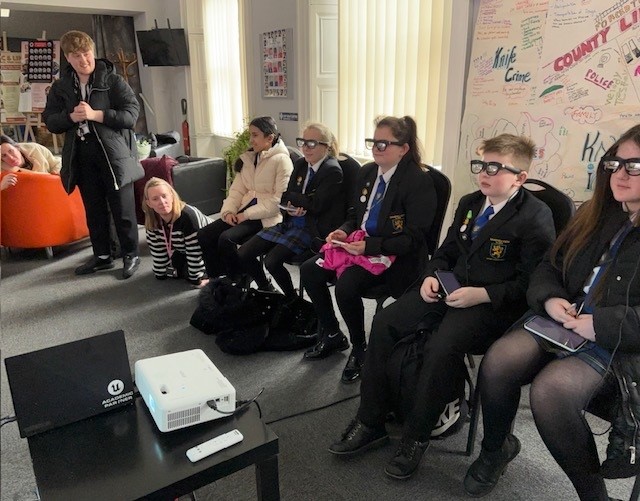
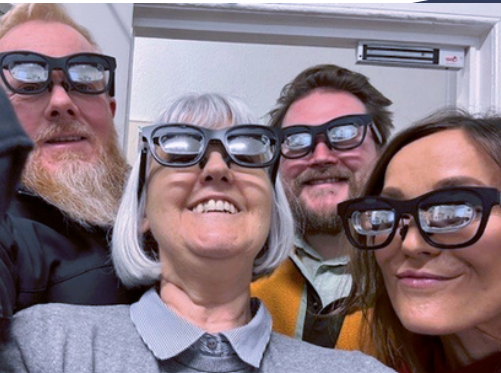
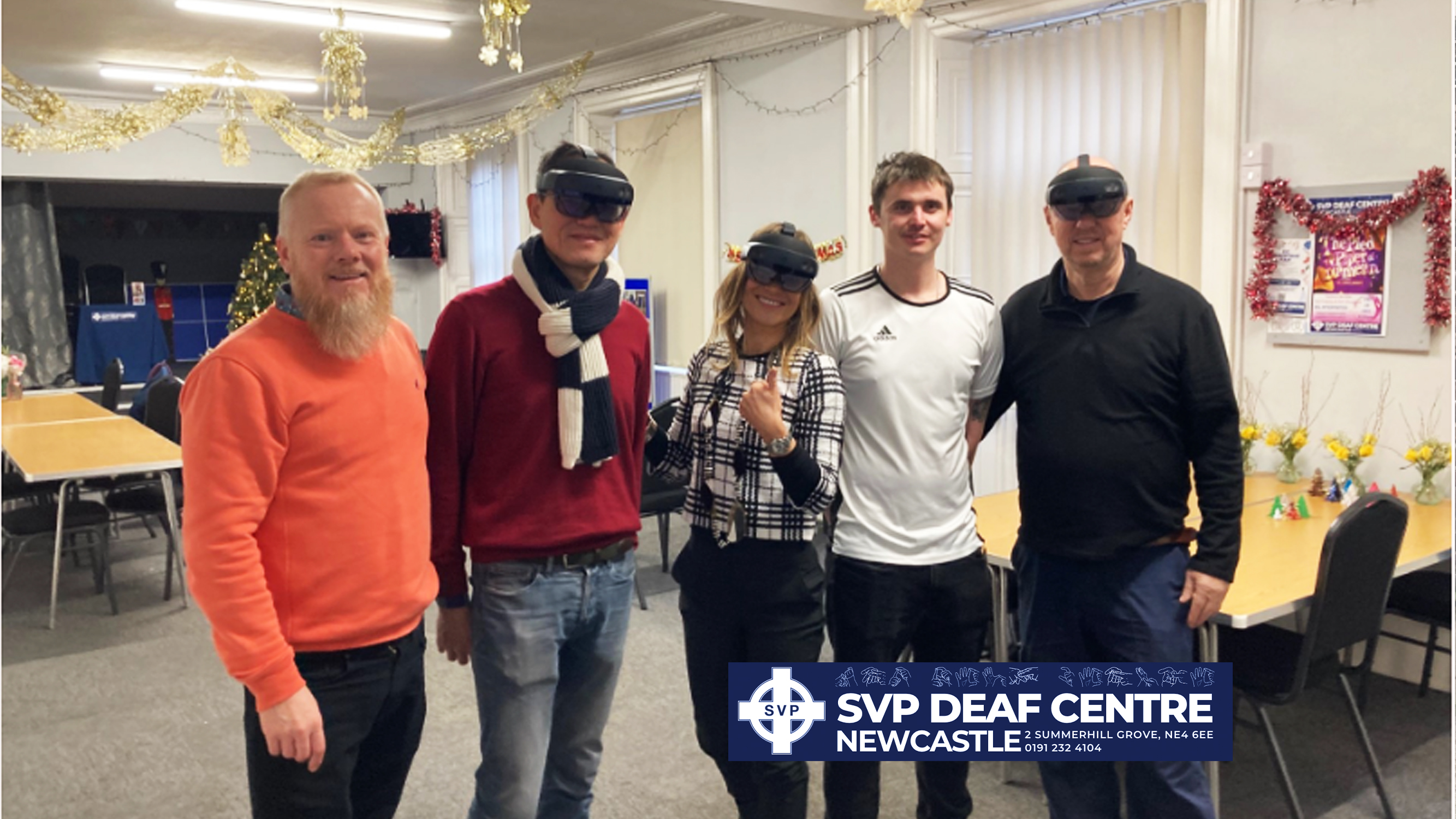
We’ve worked with SoundView Media and Plymouth University on a Virtual Reality project. The study involved three stages of development of the new ‘Smart Glasses’ technology for the use of the Deaf community in the UK Cinema setting. It attracted 68 participants where the youngest was 11years old and the oldest 87! The feedback received enabled the scientists to progress this technology to the final stage of the design.
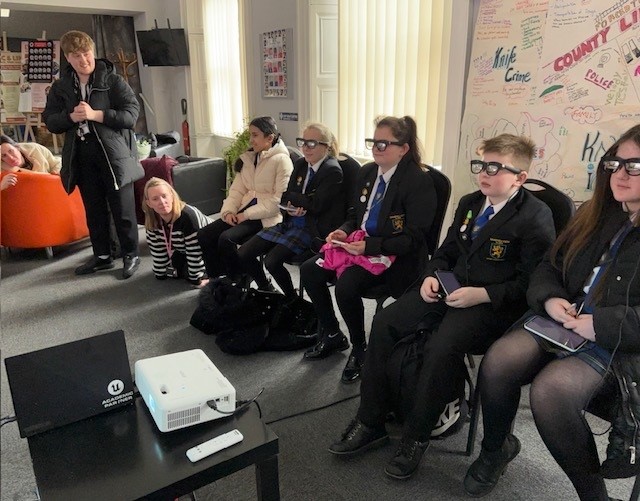
Alongside two other Deaf Centres in Wales, we worked with Swansea University and British Deaf Association on Deaf digital safety project. It was proposed to make Deaf adults feel safer and more confident online. We worked with Deaf community and cybersecurity experts to share knowledge about scams, fraud and online risks. This project was a great example of best practice between England and Wales, and will result in creation of the BSL information video on Online Safety.
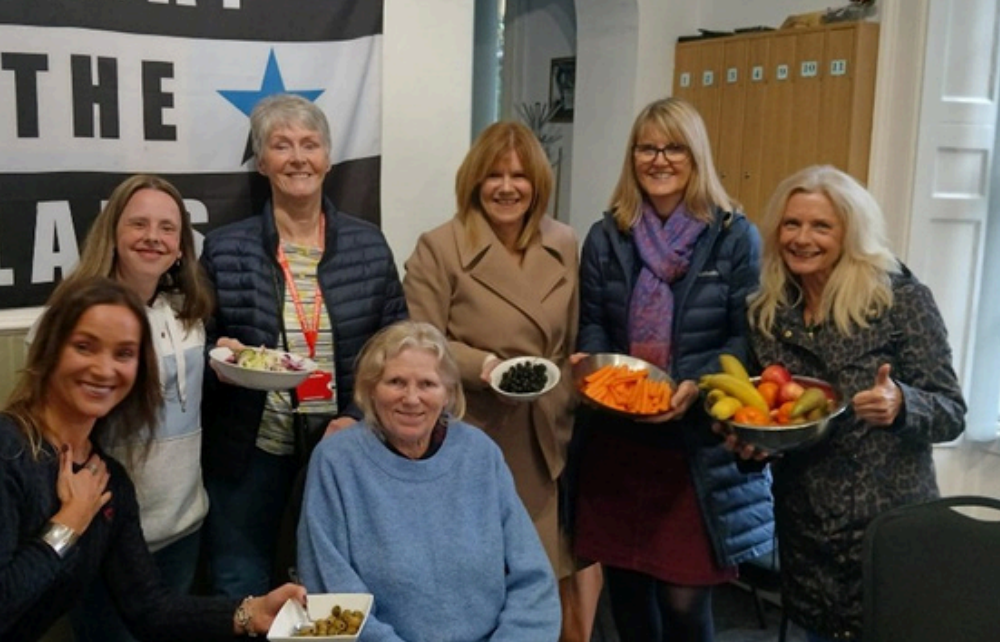
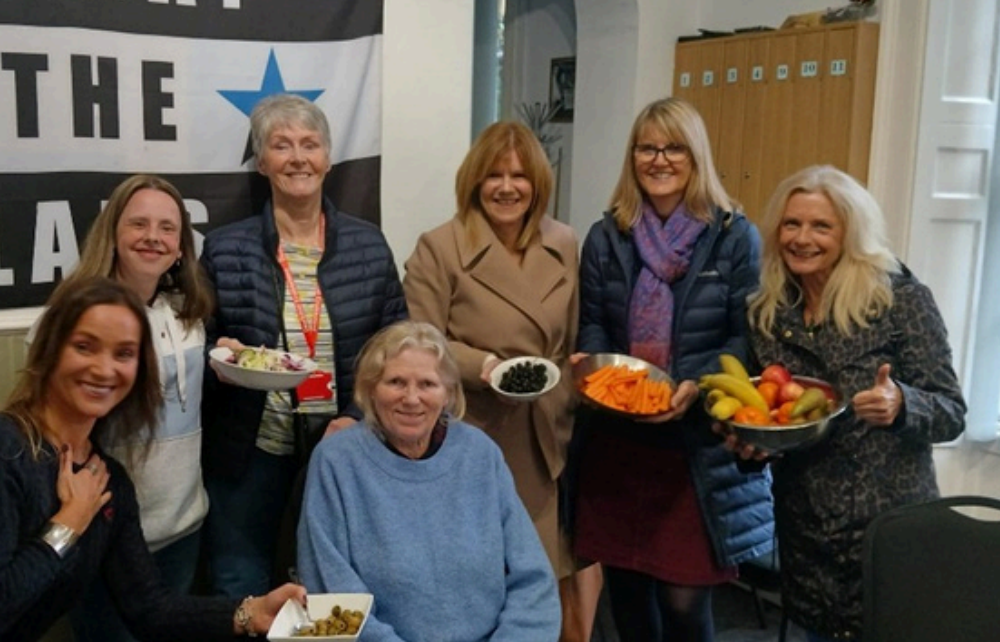
We continue to actively contribute to a wide range of academic studies that advance understanding in health, wellbeing, inclusion, accessibility and education. The partnerships ensure our community’s lived experiences shape meaningful research, influence future services, and support innovation that benefits people locally, nationally and internationally. To date, we have collaborated with leading universities across the UK, including: University of Nottingham – Alzheimer’s and Dementia research, Teesside University – Mental and Emotional health studies, Newcastle University – Nutrition and wellbeing research, University of Warwick – Remote Qualitative Studies, University of Cambridge – The Impact of Informal volunteering on Mental Health, University of Edinburgh – Late Diagnosed Deaf Children within Multilingual Families, Northumbria University – Youth Activity Provision in the North East, University of the West of Scotland & Gestura Technologies – Digital, virtual reality, and sensory research, including analysis of a two‑way BSL–English translation app, University of York & Opera North – Deaf Accessibility in opera, and the University of Wakayama ( Japan) with Newcastle University on Understanding the Best Practice for Holiday and After School Provision in the North East, UK.